
Flex PCBs Handle Vibrations
Whether from external factors like mechanical shock or internal sources such as moving components within the PCB, vibrations can put considerable strain on flex circuit boards. This stress can cause a variety of issues ranging from mechanical deformation and loss of flexibility to electrical instability and failure of the entire circuit.
Fortunately, there are many things that can be done to minimize vibration damage in a flex PCB design. These strategies include materials selection, layout optimization, stiffener implementation, proper mounting techniques, thermal management and rigorous testing. By considering these key considerations and incorporating them into the design, engineers can ensure that their flex PCBs can withstand even the harshest vibration environments.
Vibration-resistant pcb flex can benefit from the use of high-quality base materials like polyimide and precision manufacturing techniques. This combination of strength and resiliency allows flex circuits to better withstand the stresses and strains of dynamic applications, such as in automotive or aerospace devices.
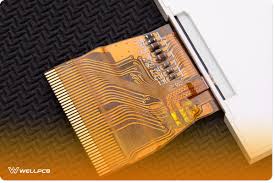
How Do Flex PCBs Handle Vibrations?
One important factor in reducing flex PCB vibration is to design with a proper layer stack-up that balances electrical performance and mechanical strength. Using high-temperature materials such as FR-4 for rigid sections and polyimide for flexible ones can help achieve this balance. Additionally, selecting high-performance adhesives that offer strong adhesion and resistance to thermal cycling can improve the flex PCB’s durability against vibrations.
The layout of a flex PCB’s trace paths can also impact its ability to withstand vibrations. For example, it is important to avoid sharp turns in traces and instead use rounded corners for greater strength. It is also a good idea to stagger traces in multi-layered designs, as this can reduce stress and increase stability. Furthermore, avoiding copper plating around pads and vias can also reduce the risk of cracks.
Finally, implementing stiffeners can also be effective in reducing flex circuit board vibration. Stiffeners are rigid materials, such as FR4 or stainless steel, that are bonded to critical areas of a flex circuit board to provide additional support and stability. Stiffeners can be particularly helpful in reducing flex PCB vibration in areas where significant mechanical deformation may occur, such as in the vicinity of connectors or heavier components.
By implementing the above strategies, designers can enhance the resilience of their flex PCBs against vibrations and other types of mechanical stresses. This allows them to better withstand the demands of dynamic applications and ensure that their products deliver reliable, dependable performance throughout their intended lifespan. For more information about designing vibration-resistant flex circuit boards, contact Vern Solberg PCB’s team of expert engineers. We can advise you on the right materials, layout and construction techniques to meet your specific requirements. Our services also include comprehensive testing and quality control. To get started, request a quote from us today!